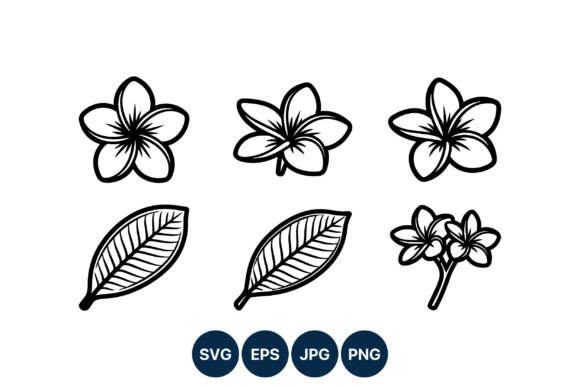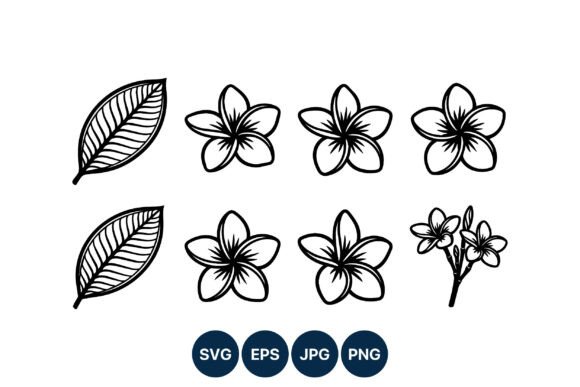
Plumeria Flower Leaf Line Art
A Quiet Elegance for Embroidery Designers
As a designer who’s stitched countless patterns into fabric, I often find myself drawn to line art that speaks without words. Plumeria Flower Leaf Line Art is one such design—clean, deliberate, and rich with detail. It’s the kind of illustration that feels like it was made for embroidery, not just as a digital asset. Before diving into how this design performs in real projects, let me walk you through what first caught my eye.
The First Impression: A Botanical Whisper
At first glance, Plumeria Flower Leaf Line Art exudes a quiet botanical elegance. The black and white line work captures the delicate structure of plumeria flowers and leaves with remarkable precision. Each petal and vein is rendered with a clarity that suggests both intention and care. There’s no excess, no unnecessary flourish—just the essential forms that make plumeria so recognizable.
This simplicity is its strength. The design doesn’t demand attention in a loud way; instead, it invites the viewer to slow down and appreciate the details. It’s perfect for those who want to add subtle sophistication to their handmade products or custom apparel.
Real-Life Use Case: A Custom Tote Bag Design
Let’s imagine a scenario: a small shop owner is preparing a custom tote bag for a local market. They’re looking for something that stands out but remains elegant. Plumeria Flower Leaf Line Art fits the bill perfectly. When stitched onto a light-colored canvas, the design adds a touch of nature-inspired charm without overwhelming the overall look.
But here’s where the design really shines. The line art works well on a variety of fabrics, from cotton to linen, and even blends nicely with textured surfaces. However, it’s important to consider the fabric type before finalizing the project. Darker fabrics may require careful thread color selection to ensure visibility, while lighter tones allow the design to pop naturally.
Stitching Clarity and Detail Retention
One of the most critical aspects of any embroidery design is how well it holds up during the stitching process. Plumeria Flower Leaf Line Art excels in this area. The clean lines translate smoothly into machine embroidery files, making it easy to apply satin stitch or fill stitch techniques without losing definition.
However, there are a few areas to be mindful of. Dense stitch areas, particularly around the petals and veins, can create a slightly heavier texture on the fabric. This is generally acceptable for most applications, but it’s worth testing the design on scrap fabric first to ensure it behaves as expected.
Where to Use with Caution
While Plumeria Flower Leaf Line Art is versatile, there are specific situations where it might require extra attention:
- Small hoop sizes: The intricate details of the design may not scale well when using very small hoops. Consider larger hoop sizes for better stitch density and clarity.
- Textured or stretchy fabrics: These can affect how the design lies flat, potentially causing distortion in certain areas. Using proper stabilizer is key.
- Dark fabrics: While the design can work on dark backgrounds, thread color contrast becomes more important. Lighter threads will help maintain visibility.
- Curved surfaces like caps or hats: The design’s fine details may become less distinct on curved surfaces. Test it on a sample before committing to a full project.
- Dense stitch areas: These can cause bulk, especially on thinner or layered garments. Always check stitch density settings before proceeding.
Visual Appeal and Product Value
Plumeria Flower Leaf Line Art has the potential to elevate a wide range of handmade products. From personalized gifts like baby items and holiday ornaments to commercial embroidery projects like tote bags and sweatshirts, this design offers a versatile aesthetic that appeals to a broad audience.
When used thoughtfully, it enhances the visual appeal of a product without overshadowing the craftsmanship behind it. Customers are likely to notice the attention to detail and feel confident in the quality of the finished item. This builds trust, which is crucial for small businesses and Etsy sellers aiming to stand out in a competitive market.
Design Notes for Embroidery Professionals
If you're an embroidery designer or craft business owner, here are some practical considerations:
- Test on scrap fabric: Always do a test run before working on the final product. This helps identify any issues with stitch density or fabric compatibility.
- Check thread color contrast: Ensure your chosen thread colors provide enough contrast against the fabric background.
- Review stitch density: Adjust settings to maintain clarity without creating bulk or distortion.
- Confirm hoop size: Choose a hoop that allows the design to lay flat and stitch cleanly.
- Inspect small details: Pay close attention to corners and fine lines to ensure they remain sharp after stitching.
- Use proper stabilizer: This is essential for maintaining fabric integrity, especially on delicate or stretchy materials.
- Test in black and white mockups: This helps visualize how the design will look in different lighting conditions.
- Compare light and dark fabric backgrounds: This ensures the design remains visible across various product types.
- Confirm licensing terms: If selling finished products or digital assets, make sure you have the appropriate rights.
Conclusion: A Versatile Choice for Handmade Creators
Plumeria Flower Leaf Line Art is more than just a design—it's a thoughtful addition to any embroidery project. Whether you're crafting a custom tote bag, a holiday gift, or a boutique product, this line art offers the balance of detail and simplicity that makes it ideal for both personal and commercial use.
With the right preparation and attention to detail, it can become a standout feature in your handmade creations. As always, take the time to test, adjust, and refine—because great design starts with a clear vision and ends with a well-stitched result.